
As consumers increasingly seek healthier, more sustainable, and ethically aligned food choices, alternative proteins are reshaping the global protein landscape. From familiar soy and wheat proteins to emerging innovations like cultivated meat and pumpkin seed protein, the category is broad and evolving fast. Global Market Model analyzed several key alternative protein markets to understand their current size and long-term growth potential.
Rethinking Protein: Market Insights into Alternative Proteins
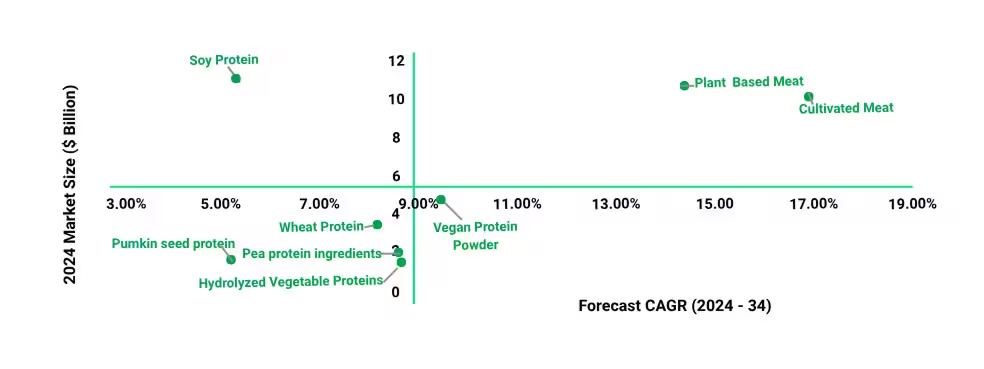
The comparison highlights differences in market maturity and growth potential across various alternative protein categories:
- Plant-Based Meat and Cultivated Meat are positioned as the most dynamic segments, combining large market sizes with strong double-digit growth rates.
- Soy Protein remains the most established product, holding the largest share by value, though its growth rate is more modest.
- Vegan Protein Powder stands apart from the rest of the market, showing strong growth with a sizeable market, driven by rising health and wellness trends and demand for clean-label nutrition.
- Wheat Protein, Pea Protein Ingredients, Hydrolyzed Vegetable Proteins, and Pumpkin Seed Protein show moderate growth with smaller to mid-sized markets, indicating steady but slower adoption curves.
Explore our comprehensive market reports in the alternative proteins industry

Plant Based Meat - Rapidly Scaling With Strong Consumer Acceptance And Retail Expansion
Plant based meat continues to gain popularity across global markets due to shifting consumer preferences toward climate-friendly diets. With a market size of $9.9 billion and a robust CAGR of 14.6%, it is one of the fastest-growing segments in the alternative protein landscape. This category benefits from expanding retail shelf space, fast-food partnerships, and innovation in taste, texture, and nutrition. As production scales and prices fall, adoption is expected to accelerate across both developed and emerging markets.

Cultivated Meat - High-Growth, Innovation-Driven Segment Reshaping Protein Production
Cultivated meat, also known as lab-grown or cell-based meat, is rapidly evolving from concept to commercialization. With a market value of $9.3 billion and the highest growth rate in the group at 16.8% CAGR, this segment reflects rising investment, regulatory support, and consumer curiosity. While still early in adoption, cultivated meat addresses concerns around animal welfare, land use, and emissions—positioning it as a key long-term disruptor in the protein space.

Soy Protein - Most Established And Widely Used Plant-Based Protein
Soy protein has long dominated the plant-based protein market due to its affordability, functional versatility, and high protein content. With a market size of $11 billion, it remains the largest segment in the alternative protein landscape. However, its forecasted CAGR of 5.4% indicates a more mature market with slower growth, as newer proteins begin to gain share. Still, soy remains a staple ingredient in many meat alternatives, beverages, and snacks.

Vegan Protein Powder - Distinct Segment Gaining Traction Through Wellness And Sports Nutrition
Vegan protein powders are seeing strong adoption among athletes, vegans, and health-conscious consumers. With a market size of $4.8 billion and a 9.3% CAGR, this segment stands out for its balanced combination of size and growth. Often made from blends of pea, rice, and other plant proteins, these products are gaining popularity for their clean-label appeal, digestibility, and compatibility with wellness trends. Innovation in flavor and formulation is further widening their consumer base.

Wheat Protein - Versatile Ingredient With Mid-Level Growth And Strong Formulation Utility
With a market size of $3.4 billion and a forecasted CAGR of 8.4%, wheat protein continues to serve as a functional base for various meat alternatives and bakery applications. Though gluten sensitivity and allergen concerns have limited its growth in some regions, its texture and elasticity make it a reliable choice in many plant-based formulations.

Pea Protein Ingredients - Popular Clean-Label Alternative Driving Steady Adoption
Pea protein has become a favored ingredient for brands seeking allergen-free and soy-free options. With a market size of $1.96 billion and a CAGR of 8.76%, it supports a wide range of applications—from sports nutrition and dairy alternatives to baked goods and snacks. Its neutral flavor profile and clean-label status continue to drive demand.

Hydrolyzed Vegetable Proteins - Functional Niche Supporting Flavor And Protein Enrichment
Used primarily as flavor enhancers and protein fortifiers, hydrolyzed vegetable proteins have a market size of $1.64 billion, growing at 8.87% CAGR. While not a headline-grabbing category, these proteins play a functional role in food manufacturing, offering low-cost solutions for taste and nutritional enrichment.

Pumpkin Seed Protein - Small But Growing Segment Appealing To Clean And Allergen-Free Diets
As consumer demand grows for natural, minimally processed, and allergen-friendly proteins, pumpkin seed protein is carving out a niche. With a market size of $1.64 billion and a growth rate of 5.33%, it is a smaller segment, but one that appeals to clean-eating and paleo-focused consumers looking for nutrient-rich alternatives.
As the global demand for sustainable and high-quality protein grows, the alternative protein sector will continue to be a hotbed of innovation. From market leaders like plant-based and cultivated meat to specialized ingredients like pea and pumpkin seed protein, the future of food is becoming increasingly diverse. These shifts not only offer new opportunities for food producers and investors but also promise a more resilient and sustainable global food system.
Unlock Industry Insights with The Global Market Model
World's most comprehensive database of integrated market information
Our database provides forecasts for over 30,000+ markets, updated semi-annually to reflect the latest economic, geopolitical, and sector-specific developments. The most recent forecast, updated in January 2026, builds upon the previous insights from July 2025, ensuring unparalleled accuracy and relevance.
Leverage The Global Market Model to stay ahead, ensuring informed decisions in a rapidly evolving market.